Challenges in Construction Management and Solutions
The world of construction is filled with complexity. From towering skyscrapers to sprawling infrastructure, every project is a massive undertaking. It involves countless moving parts, tight deadlines, and large financial investments. At the heart of it all lies construction management, the discipline that guides every detail from start to finish.
However, even the most carefully planned projects face obstacles. Addressing these challenges isn’t just a good practice; it’s critical for survival and success in a competitive industry. This guide will explore the common hurdles that construction professionals face. We will outline practical solutions, from advanced planning to using powerful software like wispa, to help you navigate these challenges effectively.
Understanding Construction Management
Before we tackle the problems, we must first grasp the basics. What is construction management, and why is it so vital?
Construction management is a professional service. It uses special project management techniques to oversee a project’s planning, design, and construction. The main goal is to control a project’s time, cost, quality, and safety. It’s about bringing a client’s vision to life while staying within strict limits.
The meaning of construction management goes beyond simple supervision. It’s a complete approach that combines all parts of a project. This includes coordinating architects, engineers, contractors, and suppliers. The objective is to deliver a finished project that meets the client’s expectations, on time and within budget.
Importance of Construction Management in Projects
Effective management is the backbone of any successful build. It provides the structure and leadership needed to navigate the project lifecycle. A construction manager acts as the client’s main advocate. They make key decisions and solve problems as they come up.
So, what does a construction manager do? Their responsibilities are vast. They include:
- Developing detailed project plans and schedules.
- Estimating costs and managing the budget.
- Hiring subcontractors and workers.
- Ensuring compliance with building codes and safety standards.
- Helping all project stakeholders communicate clearly.
- Monitoring progress and reporting on project status.
Without a dedicated management team, a project can quickly fall into chaos. This leads to the very challenges we aim to avoid.
Common Challenges Faced in Construction Management
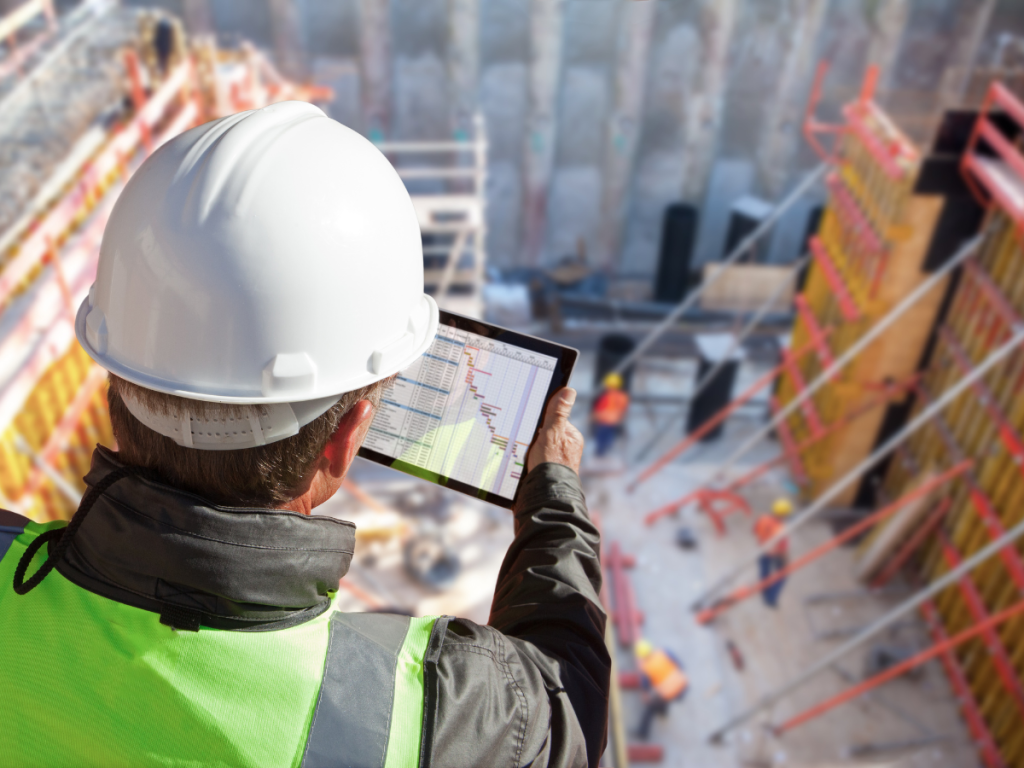
Despite the best intentions, construction projects face a unique set of challenges. Understanding these issues is the first step to overcoming them.
1. Project Delays
Project delays are one of the most frequent and frustrating problems in the industry. They can come from many sources, including:
- Unexpected site conditions
- Poor weather
- Supply chain disruptions
- Labor shortages
- Changes in project scope
These delays don’t just push back completion dates. They also increase costs and can damage a company’s reputation. A construction manager must anticipate these risks and create backup plans to lessen their impact.
2. Budget Overruns
Closely linked to delays are budget overruns. When a project takes longer than planned, labor and equipment rental costs add up. Other causes of financial strain include inaccurate estimates, changing material prices, and surprise design changes. For any construction business, keeping financial control is essential. A profitable project can quickly become a major loss without careful financial planning.
3. Communication Barriers
A construction site is a complex network of people. It includes clients, designers, contractors, and suppliers. When communication fails, the entire project suffers. Misunderstandings can lead to errors, rework, and arguments. Poor information flow often causes problems, as key updates don’t reach the right people at the right time. These barriers create friction and hurt teamwork.
4. Safety Issues
Construction remains one of the most hazardous industries. Common safety risks include falls, machinery accidents, and exposure to dangerous materials. A single accident can have devastating human results. It can halt work, and lead to costly legal issues and fines. A construction manager plays a vital role in ensuring safety. They are responsible for setting up safety rules and promoting a culture of safety on the entire site.
Effective Solutions to Address Challenges
Recognizing the challenges is half the battle. The other half is using effective solutions to manage them.
Implement Robust Planning
The old saying “fail to plan, plan to fail” is especially true in construction. Detailed, upfront planning is the best defense against delays and budget overruns. A construction manager must lead the effort to create a full project plan. This plan should outline every phase, task, and milestone. It involves checking the site thoroughly, creating realistic timelines, and making accurate cost estimates. A strong plan acts as a roadmap, guiding the project and setting a baseline to measure progress.
Use Technology in Construction Management
Modern problems need modern solutions. Technology, especially construction project management software, has been a game-changer. These powerful platforms gather all project information in one place.
Here’s how technology helps:
- Preventing Delays: Software offers real-time scheduling tools. This lets managers track progress, spot potential issues early, and adjust plans proactively.
- Controlling Budgets: Integrated cost management features allow for real-time budget tracking and expense reporting. This helps prevent overruns.
- Improving Communication: Cloud-based platforms create a single source of truth. They ensure all stakeholders have the latest information, breaking down communication silos.
Enhance Communication Among Stakeholders
Beyond technology, building a culture of open communication is essential. Regular meetings, clear reporting, and set communication channels are vital. The construction manager should encourage teamwork. They must ensure the client’s vision is clear to the on-site teams. Likewise, feedback from the field must be sent back to the office. When everyone is aligned and informed, problems are solved faster, and mistakes are reduced.
Prioritize Training and Safety Protocols
A safe site is a productive site. Investing in full safety training for all workers is non-negotiable. These programs should cover hazard identification, proper equipment use, and emergency procedures. Enforcing strict safety rules, like requiring personal protective equipment (PPE), is fundamental. A strong safety culture not only protects workers but also reduces project downtime.
Real-World Examples
Let’s look at how these solutions work in the real world.
Overcoming Delays with Smart Project Management
A large commercial project faced major delays. Workers discovered unexpected rock formations during digging. The project team used their management software to quickly change the schedule. They moved resources to other parts of the site while the digging issue was solved. The software’s real-time tools allowed them to instantly share the new plan with all subcontractors. This prevented a full work stoppage and minimized the impact on the delivery date.
Managing Budgets Successfully
A general contractor for a housing project used their software to track every expense in real-time. When the price of lumber suddenly rose, the system immediately flagged the difference. The manager used this data to quickly find other suppliers. They also gave the client cost-saving options to balance the increase. As a result, the project finished within 1% of the original budget.
Conclusion
Construction management challenges will always exist, but technology offers evolving solutions. The industry’s future lies in tools like AI for predictive analysis and drones for site surveys. Building Information Modeling (BIM) provides 3D visualization. Advanced project management software now acts as a central hub, bringing data together for better insight and control.
To stay competitive, construction companies must embrace innovation. This means combining smart technology use with clear communication, solid planning, and a strong safety culture. Overcoming challenges is no longer just about finishing projects. It’s about building a smarter, more resilient construction business.
Frequently Asked Questions
Key challenges include project delays, budget overruns, miscommunication among stakeholders, and maintaining safety standards—all of which affect timelines, profitability, and overall project success.
Construction project management software acts as a central hub for all project information. It offers real-time scheduling, tracks expenses, and improves communication, ensuring smoother coordination, reduced delays, and greater control over project outcomes.
A construction manager plans, budgets, hires contractors, ensures safety and compliance, and acts as the communication link between clients, teams, and on-site workers.
Establish clear communication channels, hold regular progress meetings, and encourage collaboration between teams to ensure seamless information flow and prevent costly misunderstandings.
Safety prevents injuries, reduces downtime, and minimizes legal risks. Strong safety leadership ensures compliance, protects workers, and supports a productive, efficient construction environment.