Effective Strategies for Successful Project Management
Project management helps teams turn big ideas into real results. It keeps work on track and prevents budgets from spinning out of control. Good project management boosts your team’s output. It helps you plan, run, and finish projects with ease.
Every leader needs a clear map to guide their team. This guide breaks down the core stages of managing a project. You will learn about popular frameworks, must-have skills, and the best software to make your job easier.
What is Project Management and Why Does It Matter?
Project management is the process of leading a team to hit specific goals. You must do this while following rules about time, money, and quality. It is much more than just telling people what to do. It brings all parts of a project together.
Why is this so important? Without a clear plan, teams waste time and money. Good management ensures you use your resources wisely. It keeps your clients happy and stops costly delays.
Key benefits of project management include:
- Higher team output and focus.
- Better client satisfaction.
- Fewer missed deadlines.
- Clearer goals for everyone involved.
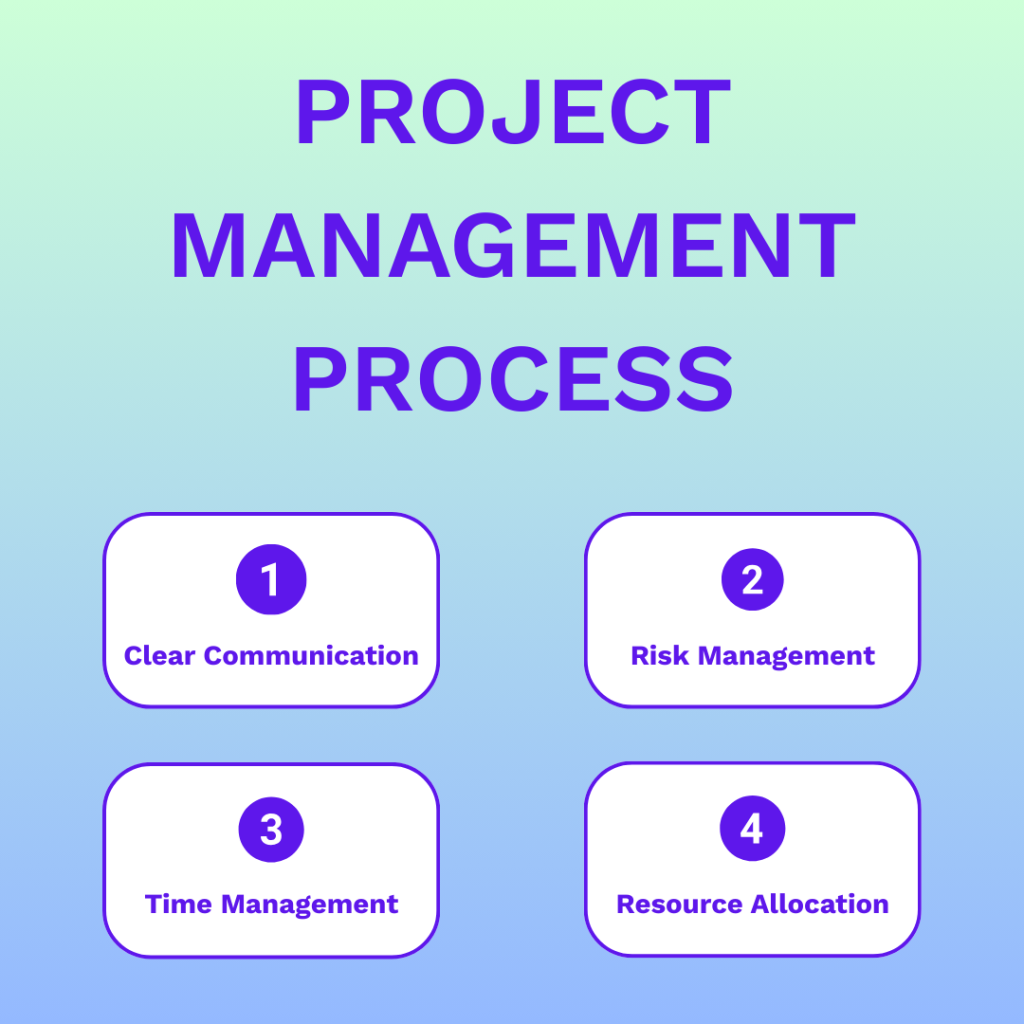
The 5 Phases of the Project Lifecycle
Understanding the project lifecycle is vital. It acts as a roadmap from the very first idea to the final review. A strong lifecycle helps you manage time and spot risks early.
Key activities within the lifecycle include:
- Setting objectives.
- Gathering requirements.
- Developing plans.
- Tracking progress.
Each phase has unique deliverables and outcomes. Successful project management relies on understanding these distinctions and adapting accordingly.
The project lifecycle is iterative. Learning from each project phase helps refine strategies for future projects. This continuous improvement fosters growth and innovation.
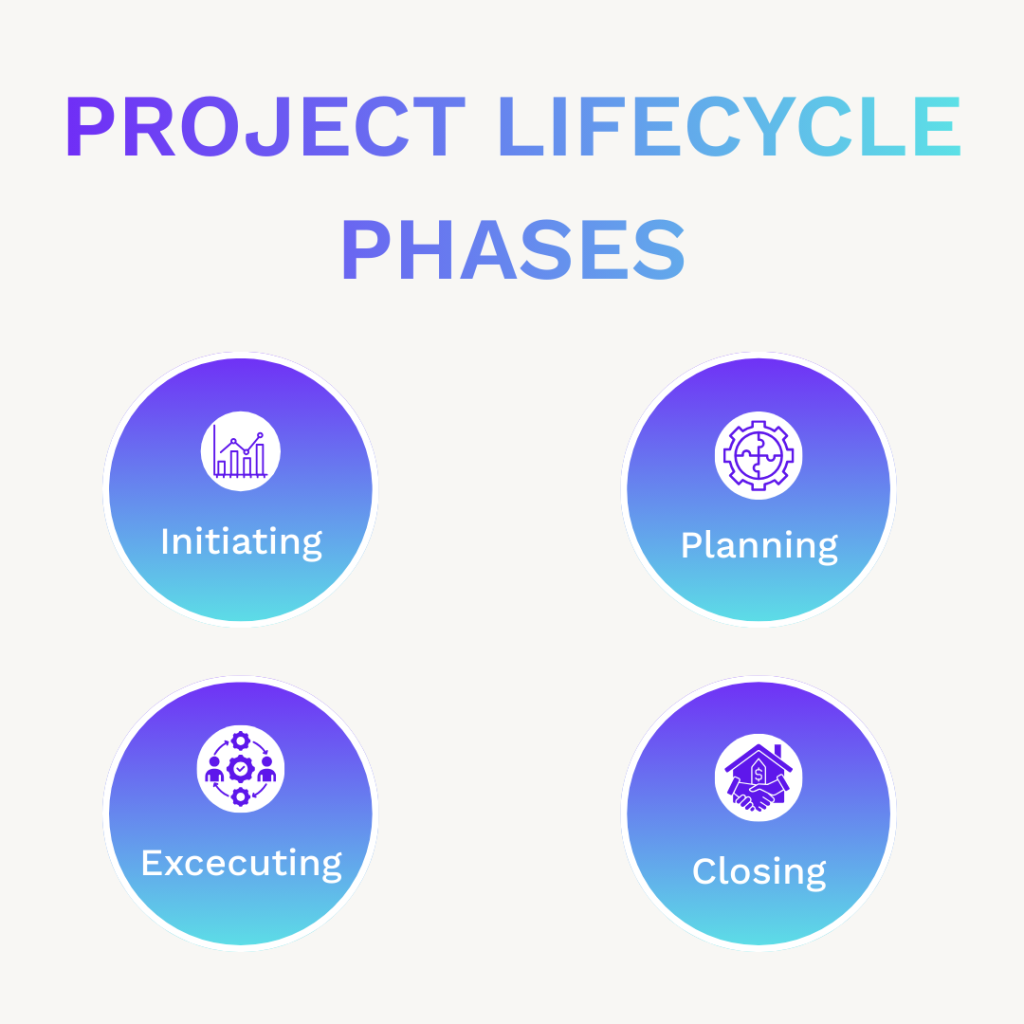
1. The Initiation Phase
This phase marks the start of your project. You must figure out if the project makes sense to pursue. You define the main goals and figure out who the key players are.
Key actions here include:
- Defining what you want to achieve.
- Finding your main stakeholders.
- Checking if the project is possible.
2. The Planning Phase
Planning is critical. Here, you create a detailed map for your team to follow. You figure out who will do what and how much it will cost. Spotting risks early helps you build a backup plan.
Essential planning steps include:
- Breaking the work down into small tasks.
- Estimating the time and money needed.
- Making a clear communication plan.
3. The Execution Phase
This is where the real work happens. You put your plans into action. Teamwork and clear chats are highly important during this stage.
As a manager, your job is to:
- Guide your team’s daily tasks.
- Track the progress of the work.
- Help people work well together.
4. The Monitoring and Controlling Phase
You must check your team’s progress against your original plan. If things drift off course, you need to fix them. This phase requires you to stay alert and flexible.
Key tasks in this phase:
- Reviewing team performance.
- Fixing plans when changes happen.
- Keeping the project on its timeline.
5. The Closing Phase
Closing a project means tying up all loose ends. You hand over the final work and make sure the client is happy. A proper closing sets you up for future success.
End-of-project actions include:
- Finishing all final tasks.
- Reviewing what went well and what failed.
- Writing down lessons for next time.
Popular Project Management Methodologies
Project management methodologies provide structured approaches to managing projects. They offer frameworks that guide teams through project activities. Choosing the right methodology can influence project outcomes significantly.
Several methodologies are available, each with unique strengths. Selecting one depends on project nature, complexity, and team dynamics. Understanding these methodologies enables managers to tailor approaches to specific projects.
Common project management methodologies include:
Each of these methodologies has specific applications. For instance, some are better for highly structured projects, while others suit dynamic environments. Expertise in multiple methodologies enhances versatility in project management.
Assessing project needs is crucial when selecting a methodology. Factors such as stakeholder expectations and resource availability play a critical role. A flexible approach can integrate multiple methodologies for optimal results.

Waterfall Methodology
The Waterfall method moves in a straight line. You finish one step completely before starting the next. You cannot easily go backward.
This approach works best for projects with strict rules, like construction. It relies on heavy planning and detailed documents
Key characteristics of the Waterfall Methodology include:
- Defined stages.
- Extensive documentation.
- Emphasis on upfront planning.
This approach works well for projects in sectors like construction. A defined sequence provides clarity, but limited adaptability can pose challenges when changes arise.
Agile Methodology
Agile focuses on teamwork and flexibility. It works well when project details might change over time.
Instead of one long timeline, Agile breaks work into short cycles called “sprints.” Teams review their work after each sprint and make changes based on client feedback. Agile is very popular in software design.
Core principles of Agile include:
- Prioritizing customer satisfaction.
- Embracing change.
- Delivering working product increments frequently.
Agile’s iterative nature suits dynamic environments like software development. It empowers teams to adjust quickly, meeting customer needs with precision.
Scrum, Kanban, and Hybrid Approaches
- Scrum: This is a type of Agile. It uses specific team roles and strict sprint schedules. A “Scrum Master” helps clear away any roadblocks.
- Kanban: This method uses a visual board with cards. You move task cards from “To Do” to “Done.” It makes work highly visible.
- Hybrid: This mixes different methods together. You might use Waterfall for planning and Agile for the actual work.
Benefits of using Scrum, Kanban, or Hybrid methods include:
- Increased visibility.
- Enhanced team collaboration.
- Greater adaptability to changes.
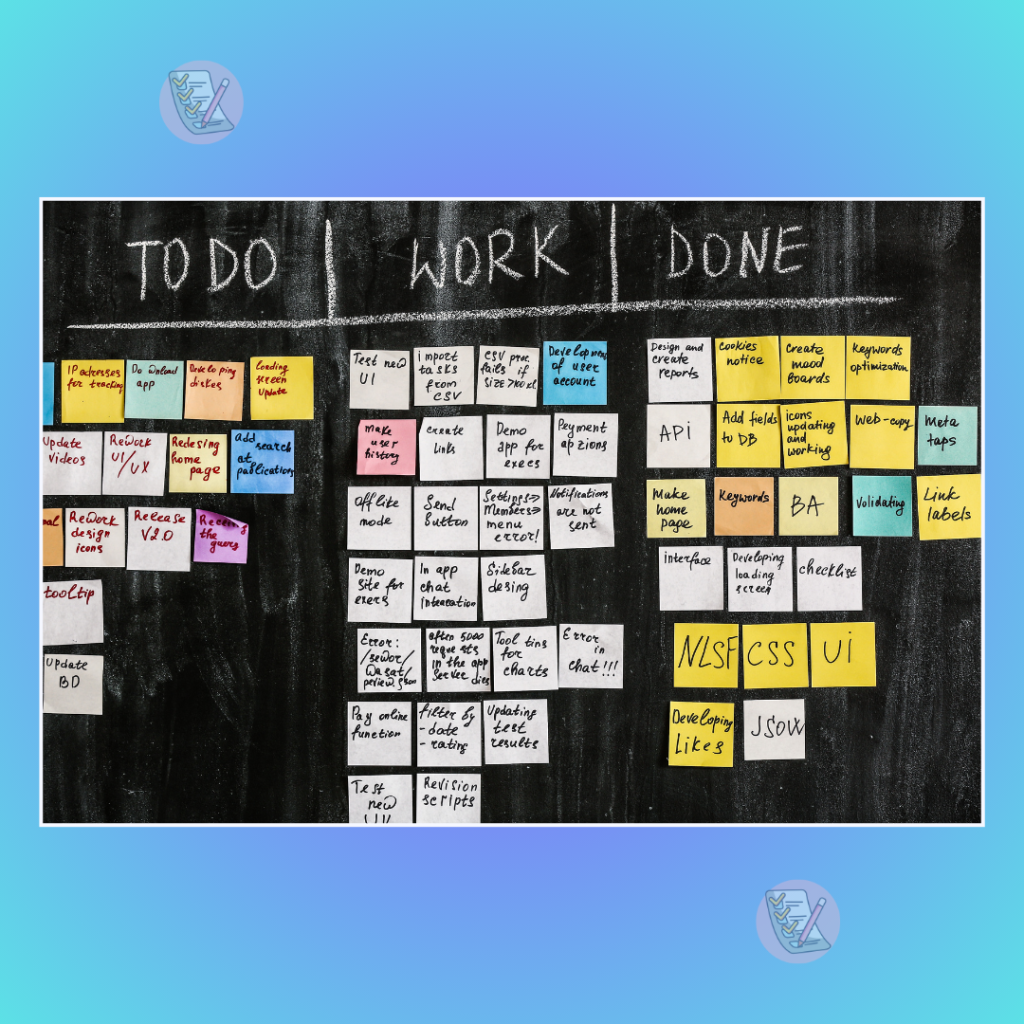
Choosing the right methodology involves understanding project specifics. An adaptable mindset allows project managers to leverage the best of each approach, maximizing project success.
Essential Skills for Every Project Manager
Great project managers need a mix of hard and soft skills. Hard skills include knowing how to use software and plan budgets. Soft skills help you lead people and solve conflicts.
Clear communication is your most important tool. It stops confusion and keeps everyone aligned.
Crucial skills for success include:
- Time management: Keeping the project on schedule.
- Problem-solving: Fixing sudden issues quickly.
- Decision-making: Choosing the best path forward under pressure.
- Emotional intelligence: Keeping team morale high and handling stress well.
Choosing the Right Project Management Tools
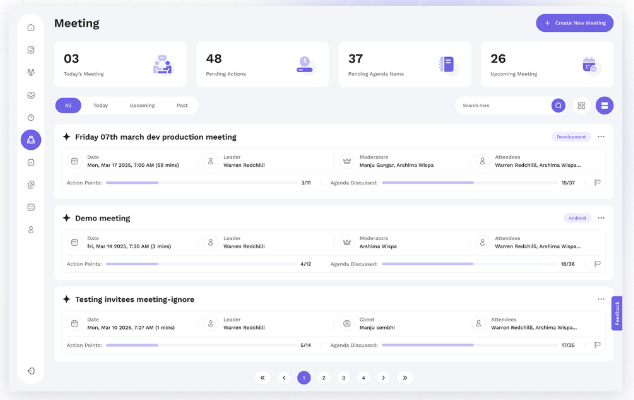
In the digital age, project software is a must-have. These tools cut down on busywork and keep your team connected.
Options like Wispa, Trello, and Asana are great choices. They offer visual boards, task tracking, and shared calendars. They also connect easily with chat apps like Slack or Microsoft Teams.
When picking software, look for:
- A clean, simple design.
- Options to customize your workflow.
- Ways to track your team’s performance over time.
How to Handle Communication and Stakeholders
Poor communication ruins projects. You must keep your team and your clients on the same page.
Managing stakeholders means learning what they care about most. You build trust by being open and honest. Create a solid communication plan that lists how often you will share updates.
Top communication habits include:
- Setting up regular check-in meetings.
- Listening closely to client worries.
- Sending out clear progress reports.
- Encouraging your team to speak up and share ideas.

Smart Risk Management Strategies
Risk management means spotting trouble before it happens. You look for anything that could delay your project or cost extra money.
Start by listing possible risks. Decide which ones are most likely to happen. Then, build a plan to prevent them or fix them if they do occur.
Always keep an eye out for new risks as the project moves forward. Assign specific team members to watch over certain risks. This keeps everyone accountable.
Key practices for effective communication and stakeholder management include:
- Establishing clear communication channels
- Actively listening to stakeholder concerns
- Providing timely and accurate project updates
- Encouraging open dialogue and feedback
In essence, effective communication and stakeholder management enhance trust and collaboration. They ensure that all parties work towards the common goal of project success. Mastering these areas is crucial for every project manager.
Risk Management Strategies in Projects
Effective risk management is essential in project management. It involves identifying potential risks that could impact project outcomes. Proactively addressing these risks helps in minimizing their effects.
Risk assessment is the first step in this process. It involves analyzing the likelihood and impact of identified risks. This helps prioritize which risks require immediate attention.
Creating a risk management plan is crucial. This plan should outline strategies for mitigating risks. It must include both preventive measures and contingency plans for unforeseen events.
Constant monitoring of project risks is necessary. This ensures that any changes in risk levels are quickly addressed. Project teams should be adaptable to deal with emerging risks effectively.
Successful risk management relies on several key strategies:
- Conducting regular risk assessments
- Developing a comprehensive risk management plan
- Assigning risk owners for accountability
- Establishing effective communication channels for risk reporting
In summary, managing risks proactively ensures project objectives are met. It enhances project resilience and leads to successful outcomes. Effective risk management is a critical competence for any project manager.
Managing Resources, Budgets, and Schedules
You must use your time, money, and staff wisely. Proper budgeting stops you from running out of money halfway through.
Scheduling keeps your timeline safe. You must figure out which tasks depend on others. If one task runs late, you need to know how it affects the whole project.
To master this area:
- Use software to track your spending.
- Review your budget every single week.
- Build extra time into your schedule for surprises.
Keeping Quality High and Measuring Success
Delivering a project on time does not matter if the work is poor. Quality management ensures you meet the client’s standards.
You must set clear benchmarks at the very start. Check the work often to make sure it hits those marks. Use performance metrics to track your team’s output. If you spot a drop in quality, stop and fix the process right away.
Key actions for effective quality management and performance measurement include:
- Establish clear quality benchmarks from the start
- Use performance metrics to track progress
- Conduct regular audits to ensure compliance with standards
- Utilize feedback loops for continuous enhancement
Change Management and Adaptability in Projects
Things will change during your project. A client might want a new feature. A key team member might leave.
You must stay flexible. Teach your team to handle changes without panicking. Communicate any new plans clearly and quickly. A team that adapts well will always beat a team that resists change.
To excel in change management, consider the following strategies:
- Communicate changes clearly and promptly to all stakeholders
- Provide training and support to ease transitions
- Foster a culture of openness and flexibility
- Regularly evaluate and adjust plans as necessary
Embracing change is not just about surviving. It’s about thriving. By integrating change management practices, projects can achieve resilience. Adaptability allows teams to innovate and succeed in ever-changing landscapes. This proactive approach positions projects for long-term success and growth.
The Value of Project Management Certifications
Earning a certification can boost your career. It shows employers that you take your job seriously. Certified managers often earn higher salaries and get better job offers.
Some key benefits of project management certifications include:
- Enhanced career opportunities and salary potential
- Recognition of skills and knowledge in project management
- Access to a vast network of professionals and industry resources
Earning a certification boosts confidence. It equips project managers with practical skills. Continuous learning ensures they can tackle complex projects successfully.
Certifications also reflect dedication to personal growth. They exhibit a commitment to maintaining the highest standards. For many, this dedication translates into successful projects and career advancement.
Google Project Management Certificate: Overview and Benefits
The Google Project Management Certificate is a great starting point. It covers the basics of Agile, Scrum, and standard planning.
The program is flexible and online. You learn through real-world examples. It is a smart choice for anyone looking to enter the field or sharpen their skills.
Benefits of the Google Project Management Certificate include:
- Access to a globally recognized credential
- Flexible, affordable learning tailored for diverse schedules
- Connection with a global community of learners and experts
The certificate opens doors to new career paths. Graduates often pursue roles as project coordinators or managers. This credential proves valuable in many sectors, ensuring readiness for challenging roles.
Best Practices for Successful Project Management
Successful project management relies on adopting best practices. These practices ensure projects are delivered on time, within scope, and on budget. Implementing them enhances team productivity and project outcomes.
The first step is setting clear objectives. Objectives guide all project activities and decisions. They provide a roadmap that aligns with the organization’s goals.
Prioritizing communication is also crucial. Effective communication keeps stakeholders informed and engaged. It reduces misunderstandings and builds strong team collaboration.
Risk management is another vital practice. Identifying potential risks early helps in mitigating them before they escalate. It safeguards the project against unforeseen setbacks.
Adopting adaptable methodologies, like Agile, enhances project flexibility. Flexibility allows teams to adjust to changes promptly. It enables faster delivery of high-quality results in dynamic environments.
Here’s a summary of best practices for project management success:
- Set precise project objectives.
- Establish robust communication channels.
- Implement comprehensive risk management strategies.
- Utilize adaptable project methodologies.
- Engage stakeholders actively throughout the project lifecycle.
Incorporating these practices leads to higher project success rates. They ensure that project teams stay aligned and focused. Ultimately, these practices contribute to achieving strategic business objectives efficiently.
Overcoming Common Project Challenges
Every project faces hurdles. If you ignore them, they will grow into major problems.
- Scope Creep: This happens when the client keeps adding small requests. Soon, the project is too big to finish. Stop this by writing a strict project scope document at the start.
- Lack of Resources: Sometimes you do not have enough money or people. Fix this by planning your resources carefully before the work begins.
- Poor Communication: This causes costly mistakes. Fix it by using a central software tool where all chats and files live.
The Future of Project Management
The way we manage projects is changing fast. Artificial Intelligence (AI) is taking over routine tasks. AI can predict risks and help you build smarter schedules.
Remote work is also here to stay. Teams are spread across the globe. This makes digital tools and strong communication more vital than ever. To succeed in the future, you must stay open to new tech and flexible work styles.
Your Next Steps for Project Success
Great project management takes practice. By using the right methods, communicating clearly, and planning for risks, you can lead your team to success.
Start small. Pick one new method or tool to try on your next project. Stay open to learning, and watch your team’s results improve.
Frequently Asked Questions
Key strategies include setting clear goals and project scope, planning thoroughly, establishing strong communication channels, proactively managing risks, and continuously monitoring progress.
Choose people with the right skills and experience for each role, and establish a collaborative work environment. A good team structure aligns each member’s strengths to the project’s requirements.
Identifying risks early and planning mitigation strategies helps prevent small issues from spiraling into major problems. A structured risk register ensures you’re ready for potential roadblocks.
Use a formal communication plan: have regular updates, team meetings, and use collaboration tools. Clear, consistent communication keeps everyone aligned on goals, progress, and challenges.
Use Key Performance Indicators (KPIs) and reporting tools in project management software to track progress. Also, visualization tools like Gantt charts help you monitor schedules, dependencies, and milestones.
Adopt an agile mindset or adaptive planning so you can iterate and respond to changes quickly. Re-evaluate your plan regularly and make course corrections as needed.