
Why Workflow Management is Critical for Small Business Growth
Running a small business often feels like spinning a dozen plates at once. At first, the rush is exciting. You have momentum and raw energy.
Soon, the daily grind catches up. You find yourself chasing payments, calling clients, and managing vendors all at the same time. Small problems quickly turn into big disruptions.
A single late invoice or a missed call can cost you a valuable client. Over time, these lost chances hurt your bottom line. They also drain your team’s motivation. The very team that once worked perfectly together now struggles to know who is doing what.
This is where workflow management steps in to save the day. It ensures every task has a clear path and every person knows their exact role. In this guide, we will explore what workflow management means. We will also look at why your business needs it and how the right software can boost your success.
The Importance and Meaning of Workflow Management
Workflow Management Meaning & Key Definitions
Workflow management, sometimes referred to as workflow managment, workflowmanagement, or management workflow, is the practice of defining, organizing, coordinating, and optimizing recurring business processes and tasks from initiation to completion. The meaning of workflow is bringing structure, repeatability, and clarity to how work flows throughout your organization. This covers everything from simple tasks to complex business process workflow management.
Work Flow Meaning and Workflow Define
The meaning of workflow can be boiled down to: a sequence of related steps or tasks, automated or manual, that achieve a specific business outcome. Managing workflow is about making those steps visible, streamlined, and consistent. When you define workflow management, you commit to documented, managed, and optimized ways of working, reducing errors and increasing project completion rates.
Workflow Management Systems: Types, Definitions, and Real-World Examples
What is a Workflow Management System?
A workflow management system (WMS) or workflow management systeme is an application or platform built to facilitate, automate, and monitor business workflow processes. The workflow management system definition covers software that allows teams to model workflow, assign and track tasks, monitor deadlines, and improve visibility and accountability. You’ll find management system workflow tools across industries—finance, IT, manufacturing, marketing, construction, and more.
What Is a Workflow System or Workflow Platform?
A workflow system, workflow software, or workflow management platform is a coordinated set of tools, technologies, and processes used to define, automate, control, and monitor workflow processes. Workflow system definition often emphasizes features like automated routing, reports, approvals, and integrations with CRM, project, and document workflow management software.
Workflow Management System Examples
- Employee onboarding processes
- Sales approval flows
- Recurring project management workflows
- Purchase order and invoice management
- Production workflow management in inventory and logistics
What Is Workflow Management Software and How Does It Work?
Workflow Management Software: Meaning, Core Features & Benefits
Workflow management software (sometimes called workflow managment software, management software workflow, or workflow management applications) is a digital tool for automating, monitoring, and optimizing all workflow processes in an organization. This software gives businesses centralized control over task management workflow, resource allocation, performance tracking, and process improvement.
Key Features of Workflow Management Software and Workflow Management Tools
- Customization: Customizable workflows, templates, and rules.
- Automation: Built-in workflow automation software and workflow optimization tools that handle repetitive or logic-dependent tasks.
- Reporting: Advanced analytics, workflow analysis tools, and dashboard reporting.
- Integration: Seamless connection with CRM, communication, calendar, and document management systems.
- Collaboration: Real-time file sharing, comments, notifications, and centralized communication.
- Mobility: Web based workflow management and cloud based workflow management for work from anywhere.
- Security: Role-based permissions and audit trails.
Workflow Software Examples
- Wispa (business workflow management system, AI and automation focus)
- Asana, Monday.com, ClickUp (project workflow management software)
- Smartsheet (spreadsheet–style process tracking software)
- Jira, Trello (workflow management tools software, agile workflows)
- Pipefy, Process Street (workflow management solution for standard operating procedures)
Understanding Workflow Processes in Small Businesses
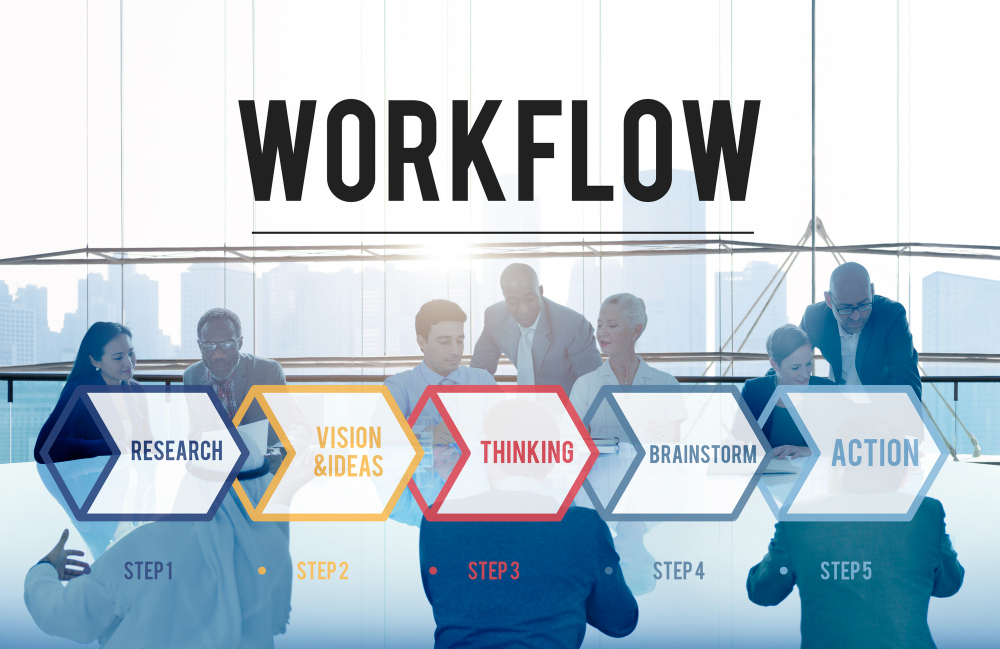
The Anatomy and Meaning of Workflow and Process Workflow Management
A workflow is a predefined, repeatable set of tasks or activities, often mapped in a flowchart or checklist, that drives a business objective. Process and workflow management refers to the coordinated execution of these tasks.
Common Small Business Workflow Management Program Use Cases
- Client onboarding and CRM with workflow management
- Product launch or marketing workflow tools
- Manufacturing workflow software for production tracking
- Document and workflow management software for version control and approval
Benefits of Workflow Management Solutions for Small Businesses
Unlocking Efficiency, Consistency, and Accountability
- Reduced Manual Errors: Workflow management software minimizes human error with structured workflows, workflow controls, and approval steps.
- Transparency and Visibility: Get real-time workflow tracking software and analytics, so everyone sees project status and bottlenecks.
- Increased Productivity: Automated workflows free employees from repetitive work, allowing focus on high-value tasks.
- Enhanced Collaboration: Workflow management platforms centralize communication and document management, reducing email overflow and missed messages.
- Scalability: Easily scale from basic workflow management software to enterprise workflow management system as the business grows.
Examples:
- Using digital workflow tools to onboard clients results in fewer delays and missed signatures.
- Workflow management tools open source allow for affordable, flexible customization as needs evolve.
- Production workflow software provides instant insights into bottlenecks and resource shortages.
Workflow and Task Management: Tools, Tips, and Best Practices
Steps for Successful Workflow Management Process
- Define a Workflow: Document each step, assign responsibilities, and clarify deadlines.
- Map and Document: Use workflow visualization tools and workflow design software to create visual flowcharts, making processes transparent.
- Implement Automation: Adopt workflow automation software for approvals, reminders, and data handling.
- Monitor and Optimize: Track real-time process and workflow performance, using workflow optimization software for continuous improvement.
- Promote Organizational Workflow: Enforce usage across departments and encourage feedback for workflow improvement.
- Stay Agile: Adjust workflows as business needs change, employing customizable workflows and digital workflow management.
Tools & Resources
- Online Workflow Management Systems or Cloud-Based Workflow Software: These tools provide mobility and accessibility, allowing teams to collaborate on workflows from virtually anywhere. They also often include features like real-time updates, progress tracking, and integration with other digital tools, ensuring that the workflow adapts to the dynamic needs of the business.
- Workflow Library Software: A dedicated workflow library is crucial for storing, sharing, and reusing workflow templates. Centralized libraries can save time by providing standardized templates that align with company processes, ensuring consistency and easy scalability across projects.
- Best Workflow Management Tools: These tools should seamlessly integrate with your existing business systems, such as CRM platforms, project management tools, or email systems. Features like automation, reporting, and analytics can drive efficiency and provide valuable insights into bottlenecks or areas for improvement.
- Collaboration Platforms: Consider using collaboration tools that align with workflow processes, facilitating better communication, task assignments, and real-time feedback among team members. This ensures collective accountability and transparency.
- Training & Support Resources: Investing in training tools that help employees become proficient with workflow systems can significantly improve adoption rates. Many software platforms also offer onboarding support, help centers, and user communities to troubleshoot issues and share best practices.
- Customization Options: Opt for tools that allow workflows to be personalized for specific department needs or project requirements, ensuring that the system is flexible enough to adapt to evolving organizational objectives.
AI Workflow Tools and Modern Digital Workflow Management
How AI is Reshaping Workflow Automation Software
AI-powered workflow management software is revolutionizing business process workflow software by:
Intelligent Task Assignment: AI workflow tools and workflow applications software match tasks to team members based on skills, workload, and deadlines.
Predictive Analytics: Detect bottlenecks before they become costly problems.
Data-Driven Insights: Make decisions based on workflow analytics, not gut feelings.
Automated Routing and Approvals: Tasks flow automatically from one stage to the next, reducing delays.
Smart Notifications: Automated reminders and updates keep teams on track.
Digital Workflow Solutions from Leading Platforms
Modern workflow management solutions like Wispa, Wrike, Monday.com, and Jira integrate AI features that small businesses can use to:
- Task Matching with AI: Advanced AI-driven algorithms assign tasks to team members based on their skills, current workload, and ability to meet deadlines efficiently, ensuring optimal productivity.
- Predictive Analytics for Bottlenecks: Leveraging historical data and real-time inputs, the system predicts potential workflow bottlenecks, enabling teams to address issues before they escalate and impact timelines.
- Comprehensive Workflow Analytics: Visual dashboards and detailed reports allow managers to analyze key performance metrics, ensuring strategies are informed by accurate, real-time data.
- Automated Routing and Approvals: Sophisticated automation ensures tasks seamlessly move to the next stage with minimal manual intervention, offering customizable approvals to streamline even the most complex workflows.
- Smart Notifications and Alerts: Personalized notifications keep teams informed about approaching deadlines, task updates, and project milestones, while reducing the noise of unnecessary updates.
Workflow Optimization: Strategies for Effective Workflow Management
- Optimize Workflow Time Management: Reduce cycle times by identifying and removing bottlenecks.
- Leverage Workflow Optimization Tools: Automate task routing, approvals, and reporting.
- Promote Workflow Organization: Use workflow programs free or paid based on requirements.
- Implement Process Tracking Software: Monitor each step, resolve issues quickly, and iterate for process improvement.
- Cloud Workflow Management: Use cloud based workflow management system for remote access and scalability.
Choosing, Comparing, and Implementing the Best Workflow Management Software
What to Look for in Workflow Management System Software
- Ease of Use: Simple workflow tool design ensures fast onboarding.
- Customizability: Flexible workflow creation tool for unique business needs.
- Integration: Web based workflow management or workflow management platform that connects with your key apps.
- Security: Enterprise workflow management software often includes robust permissions, encryption, and audit trails.
- Support and Documentation: Comprehensive workflow software comparison resources, FAQs, and customer service.
Workflow Management Software Comparison
When comparing workflow management software, consider:
- Workflow software features: Automation, templates, triggers, reporting, scalability
- Pricing: Free workflow management software, SaaS workflow management, workflow software for small business
- Integrations: Compatibility with CRM, HR, finance, marketing workflow management software
- User Reviews: Search workflow websites and review platforms
Top Workflow Management Tools in 2026
Here are some of the top workflow management tools and their notable features:
Wispa
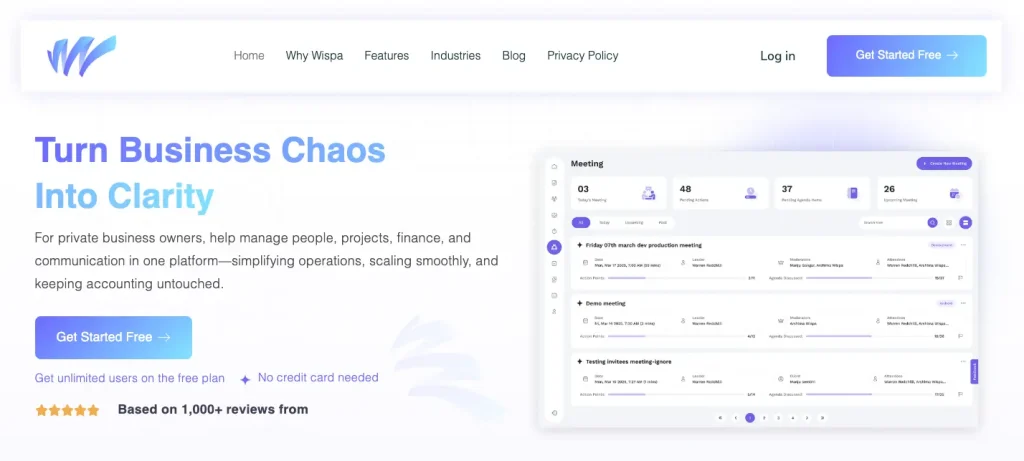
Wispa stands out with its user-friendly interface and AI-driven insights, helping small businesses manage tasks and workflows efficiently. It offers customizable templates, real-time collaboration, and integrated reporting tools, making it ideal for teams looking to streamline their operations.
Monday.com
Renowned for its flexibility, Monday.com provides extensive customization options for task management, project tracking, and team collaboration. Its visual dashboards, automation features, and integration capabilities make it suitable for teams of all sizes and industries.
Asana
A popular choice for project management, Asana excels in task organization, timeline tracking, and goal setting. Its intuitive interface, workflow automation, and cross-functional team support allow for seamless tracking of progress and deadlines.
ClickUp
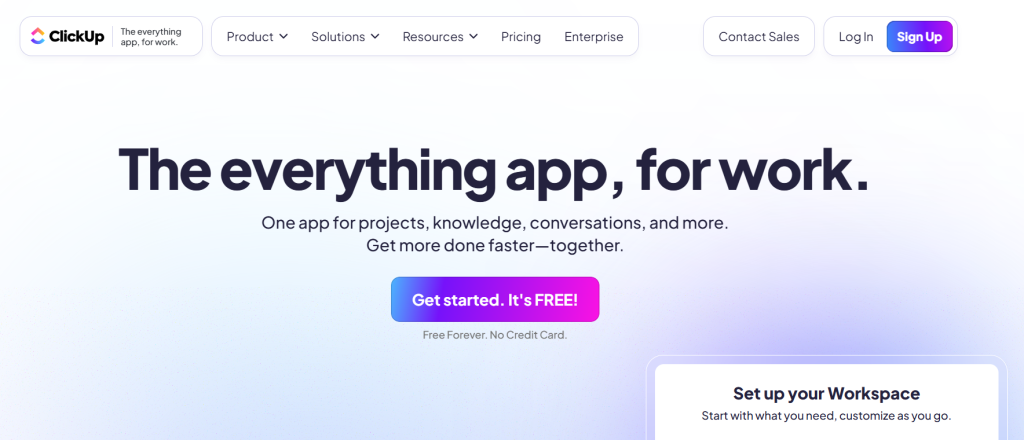
ClickUp is a versatile tool offering all-in-one task management and productivity tools features. With its customizable dashboards, time-tracking functionality, and wide range of integrations, ClickUp caters to teams looking for a comprehensive solution to optimize workflows.
Jira
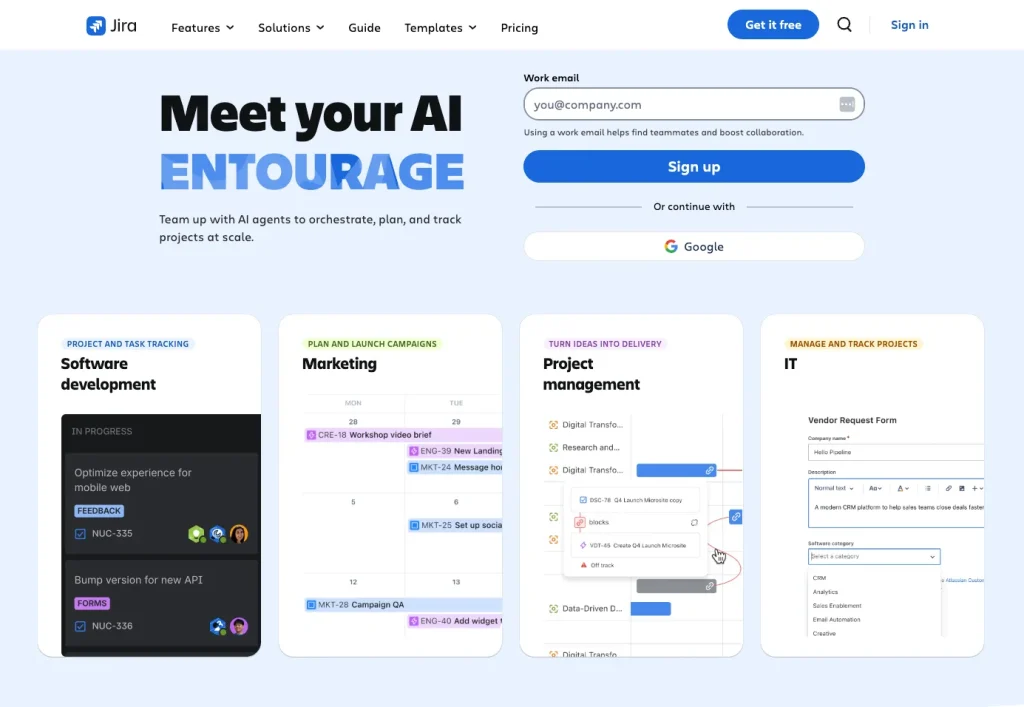
Ideal for software development teams, Jira is known for its agile project management capabilities. It includes customizable workflows, sprint planning, bug tracking, and reporting tools, making it a top choice for development-focused teams.
Wrike
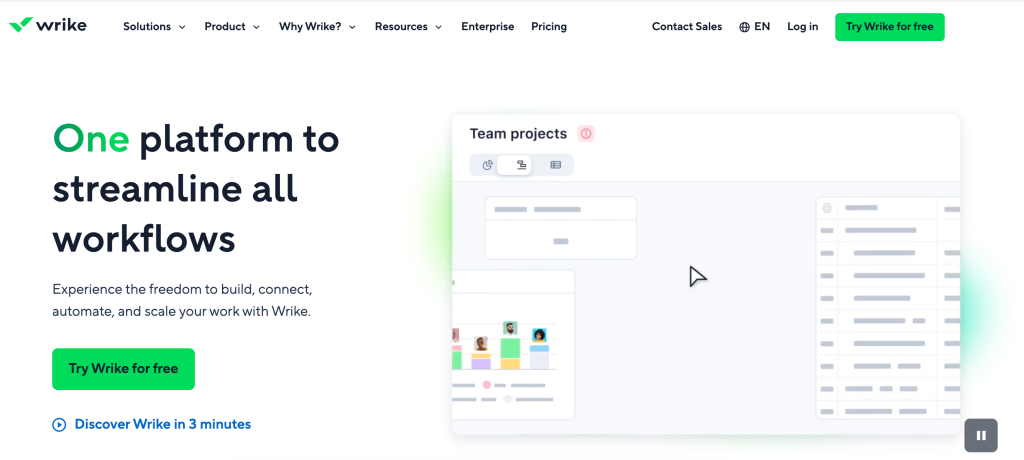
Wrike is highly praised for its robust project management capabilities, including Gantt charts, time tracking, and resource allocation. Its real-time collaboration features and task prioritization tools make it suitable for complex projects and cross-team coordination.
Pipefy
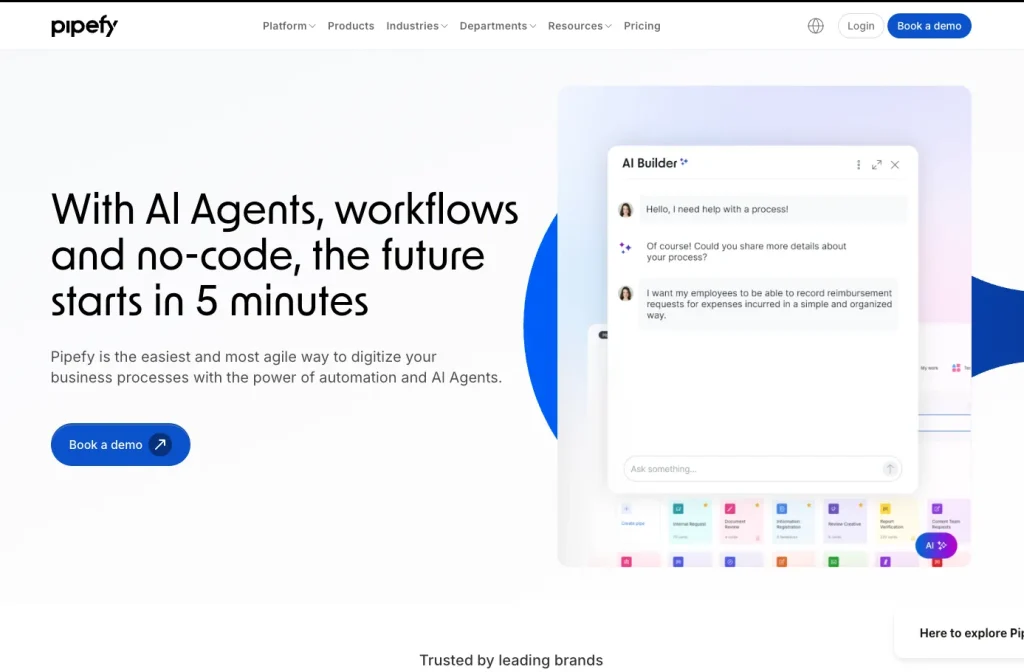
Pipefy offers process-oriented workflow management, allowing teams to design and automate their processes easily. With its drag-and-drop builder, template library, and process automation, Pipefy is particularly useful for repetitive or structured tasks.
Process Street
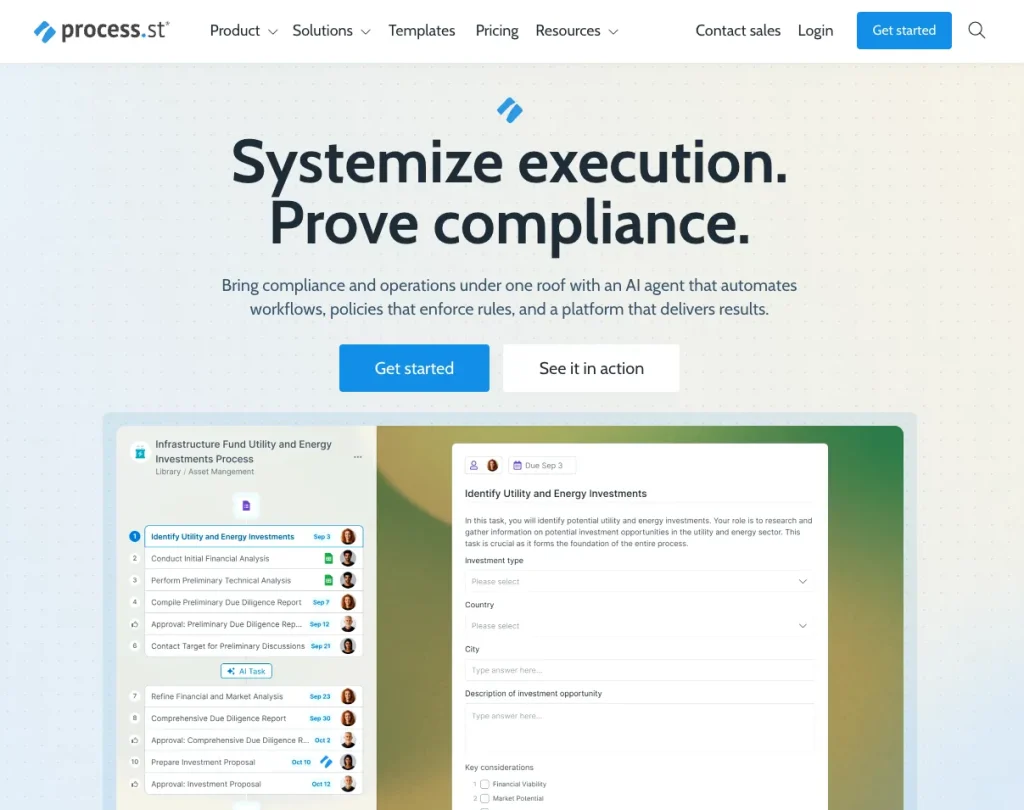
This tool focuses on checklists and workflows, making it perfect for recurring tasks. Process Street provides robust automation, conditional logic, and progress tracking, ensuring teams can maintain consistency and streamline operations.
Smartsheet
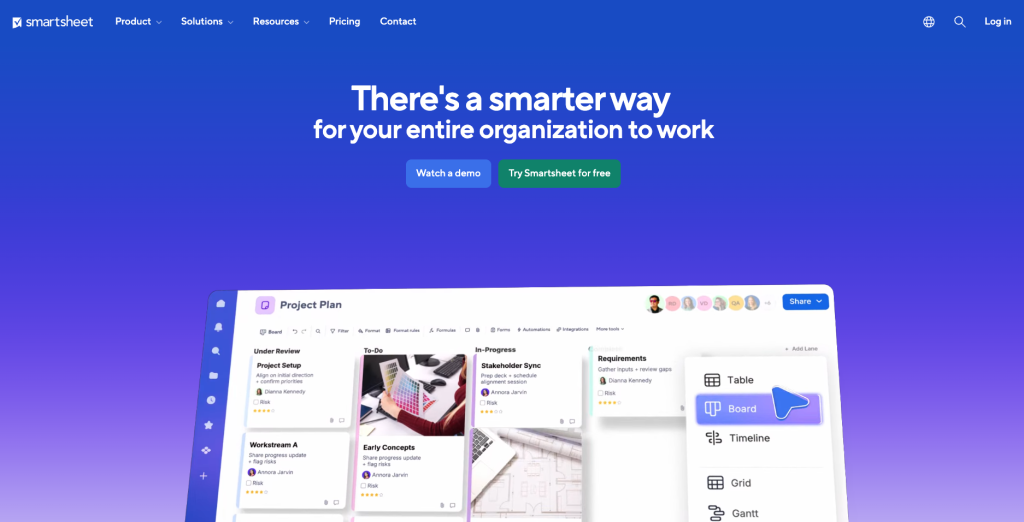
Combining the functionality of spreadsheets with workflow automation, Smartsheet supports project management, resource allocation, and collaboration. It is highly adaptable and offers visual tools like Kanban boards and Gantt charts for better project tracking.
Trello
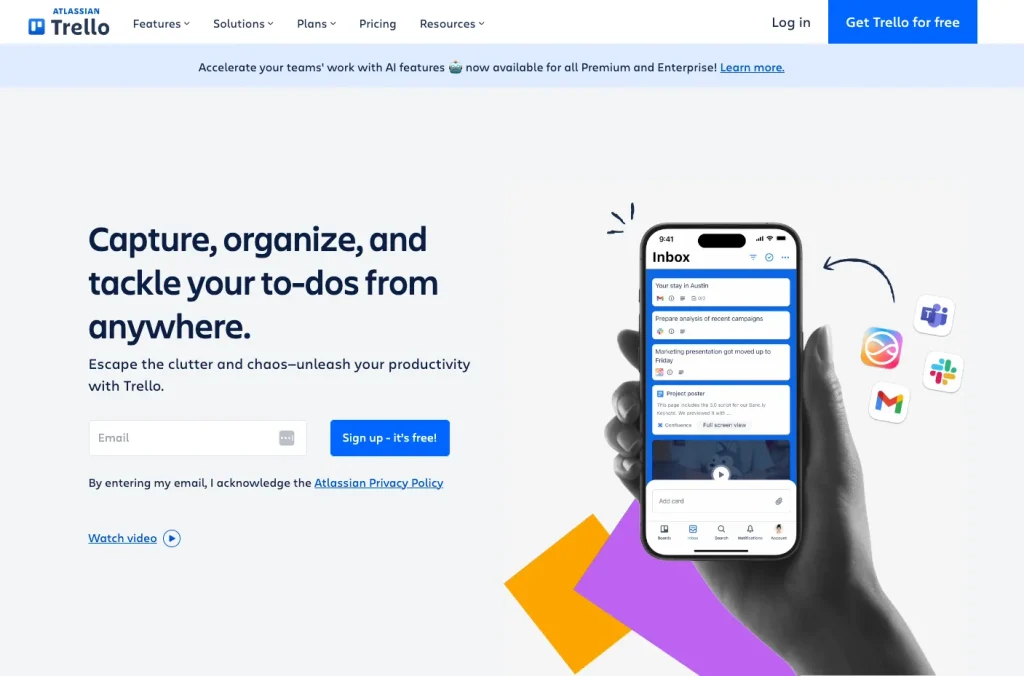
Trello’s strength lies in its simplicity and board-based interface, which is great for visual task management. Featuring easy-to-use boards, lists, and cards, Trello is perfect for smaller teams or individual users managing straightforward workflows.
Implementing a Successful Workflow Management Solution: Step-by-Step
- Assess Existing Workflows: Use workflow tracking software and interviews to identify gaps.
- Define and Map Workflows: Document each step using workflow design software.
- Choose the Right Workflow System: Compare workflow management solutions based on your industry, team size, and goals.
- Test and Customize: Pilot new workflows with selected teams; customize as necessary with customizable workflows.
- Automate and Expand: Roll out automated workflow management systems across departments.
- Monitor, Refine, and Scale: Use workflow analytics to improve performance and gradually expand solution use.
Scalable Business Workflow Solutions with Wispa
Wispa stands out among workflow management software for small business, offering:
- Unified Project and Workflow Software Management: Organize every task, process, and document in one workflow platform.
- AI-Driven Workflow Optimization: Automate repetitive tasks, assign work smartly, and highlight priorities.
- Customizable, No-Code Workflows: Visual, drag-and-drop builder enables fast process creation—ideal for workflow management for small business needs.
- Real-Time Collaboration and Communication: Keep all teammates up to date within one workflow management application.
- Secure, Scalable, and Affordable: Built with the needs of growing teams in mind, offering both free workflow management apps and scalable enterprise workflow management systems as your business evolves.
Frequently Asked Questions
Workflow management means defining, organizing and coordinating your business processes — what tasks need to be done, by whom, and when — rather than relying on memory, informal chains, or ad-hoc decisions.
By turning repetitive, routine or multi-step tasks into structured, repeatable workflows — sometimes with automation — you reduce time wasted in manual handoffs, emails, or delays. This helps tasks flow smoothly from start to finish, so your team spends less time on low-value work and more on meaningful tasks.
Yes — when tasks are clearly defined with each step documented, responsibilities assigned, and checks built-in (like approvals or document version control), the risk of human error drops significantly. That leads to more reliable outputs and better consistency.
Definitely. With workflows, every team member knows exactly what they’re responsible for and when. This transparency — who does what, when a task was assigned or completed — helps avoid confusion, duplicated efforts, and makes accountability clear.
Yes — as your business expands, informal methods often start to break down (tasks slip, communication gets messy, things get lost). A solid workflow system provides structure, consistency, and clarity, which helps absorb growth smoothly and maintain quality even as complexity increases.
Absolutely. When internal processes are streamlined and tasks are handled on time — no delays, missed steps, or miscommunication — it translates to faster responses, consistent service, and fewer mistakes. That builds client trust, satisfaction and strengthens your brand image.